
BLOG
The Ceramics of
São Miguel
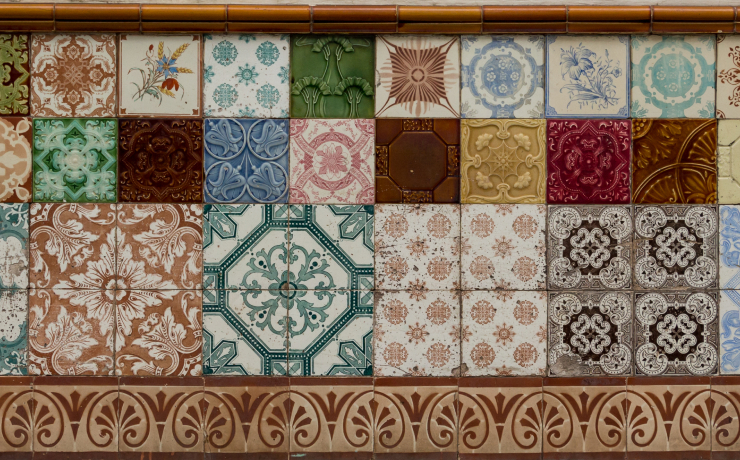
Did you know that tiles, pottery and ceramics are some of the most relevant aspects of pottery on the island of São Miguel?
Decorated buildings, coated houses, ornamented spaces, panels that represent history. Many are the uses of the tile and it is already a symbol of Portugal.
Although relevant and resurgent in Portuguese culture, azulejo has Arabic provenance and origin. The word azzellj means “polished stone” and was used to denote mosaic.
The local production of azulejos began to have some relevance from the second half of the 19th century and since then the manufacturing method has been manual.
From the 19th century on, tiles began to be produced on the island of São Miguel, thanks to the foundation of several ceramic factories, namely in the municipality of Lagoa.
The tiles began to be worked to portray the contexts of courtly daily life, allegories, biblical episodes, circumstances of the Discoveries, and applied, mostly in religious heritage.
The azulejo, painted in blue, was mainly used to cover urban and religious buildings. Nowadays, the tile has evolved to various uses. Currently, almost as a symbol of tradition, tiles are painted with illustrations and serve to represent the most emblematic tourist resources of the island. From natural landscapes, to monuments, to endemic species, typical costumes and customs, many are the representations made in tiles.